
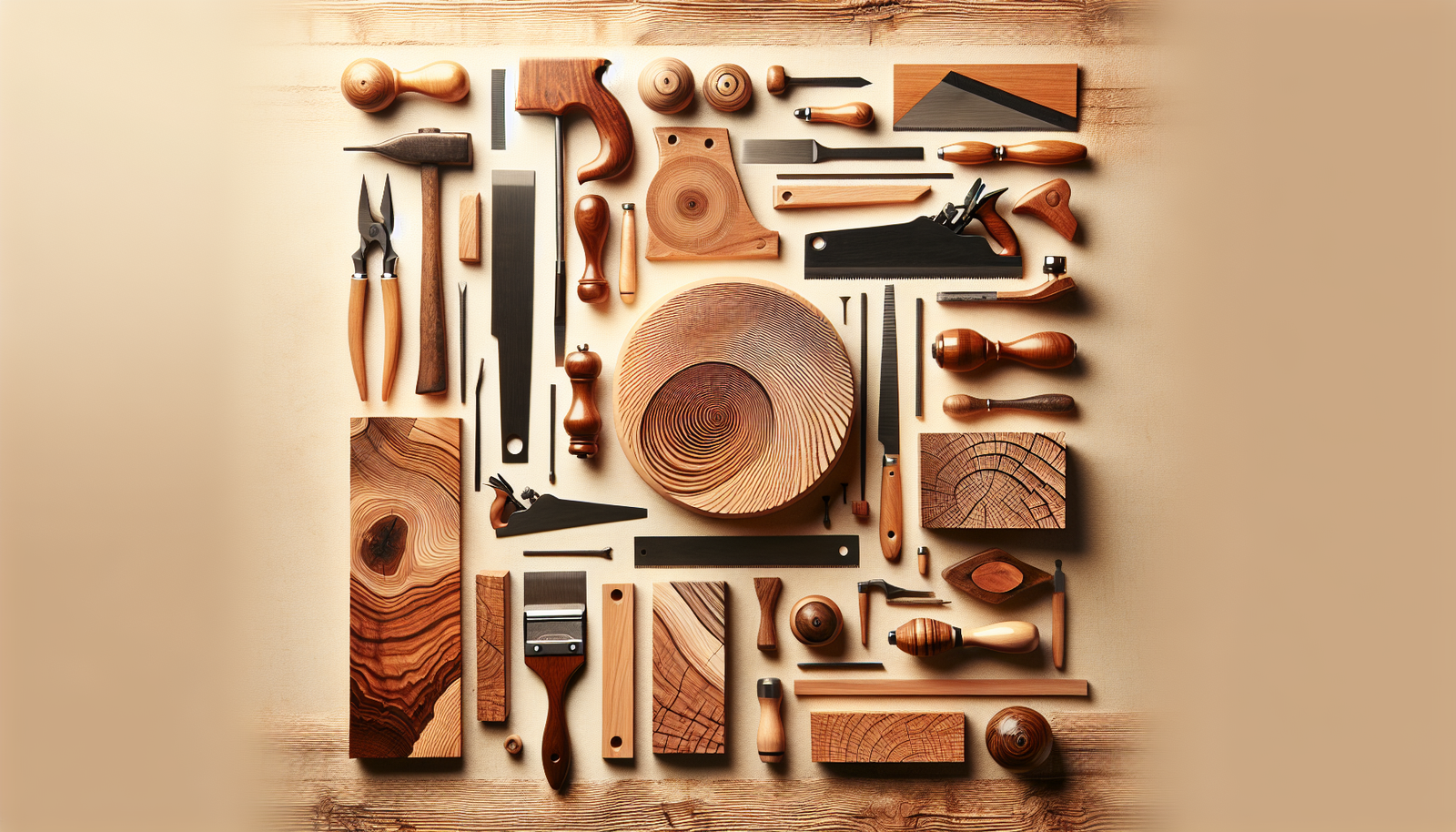
 Surely, any woodworker, whether a novice or a seasoned professional, will affirm that understanding wood grain is integral to achieving expert craftsmanship in woodworking. Call it the veins of the tree or the fingerprint of your woodworking project; wood grain directs how your masterpiece forms under your intricate handiwork.
The Anatomy of Wood Grain
Every piece of wood has its own unique signature, the grain. The grain lays down the roadmap that guides you to work your tools across the wood surface. It’s important to know that wood grain isn't just about those interesting, curvy patterns on the wood; it relates more to the orientation and direction of wood cells. Grain direction can influence many characteristics of a wood piece including strength, flexibility, ability to take finish, and even how it responds to changes in temperature and humidity. Understanding this unique pattern ensures you have a seamless woodworking process.Mastering the Art of Reading the Grain
Learning how to decipher wood grain is undeniable one of the most crucial woodworking techniques for beginners and professionals. The grain direction can be straight, spiral, or interlocked. Straight grain is considered the easiest to work with, but each type presents its own challenges and beauty when finished. Paying close attention to the different patterns gives you hints about the wood's behavior. Reading the grain can help you avoid pitfalls such as tear-out during planing or splitting when you're driving nails or screws. This will unlock the true potential of the wood.Factors Influencing Wood Grain
Various factors shape the form of wood grain. It hinges largely on species, age of the tree, and environmental factors experienced during the life of the tree. Interestingly, each growth season of a tree adds a new layer to the grain, much like an episode in the tree's life available as a historical timeline. The interplay of these factors determines the overall appeal of the grain. This contributes to why each species of wood, as we have noted in our guide to types of wood, have unique grain characteristics that define their use in woodworking.Techniques for Working the Grain
Craftsmanship in woodworking is hinged on your understanding of when to use hand or power tools and your approach to working the grain. A woodworker should always work "with the grain" rather than against it. Working with the grain allows for smooth planing, carving, and sanding. Techniques for working the grain include:- Planing or sanding should be done along the grain rather than across it.
- Use light strokes at first, increasing pressure as you become familiar with the grain's direction.
- When carving, take extra care to observe the grain, since it can change direction in the piece's body.
Adapting to the Grain's Intricacies
While the grain of the wood can sometimes seem like a stubborn overseer controlling your every move, as your woodworking skills improve, you will discover that each wood grain is an opportunity to adapt your design and techniques. The finished project will bear the clear signs of expertly worked grain giving your piece that unique touch of craftmanship. Riding with the natural tendencies of the wood grain, even harnessing its resistance, can enable you to achieve incredible textures, designs, and durability within your woodworking project. Therefore, each wooden project becomes as unique as the grain it springs from, bearing the signature of both nature’s hand and human mastery- a jointed testament of harmonious creation.Reading Wood Grain
Grain is the direction and pattern of wood fibers, and reading it correctly is fundamental to clean work. Before cutting or planing, look at the edge and face to judge which way the fibers rise. Working with the grain produces smooth surfaces, while working against it causes tear-out. Learning to read grain saves hours of sanding and ruined parts.
Working With the Grain Direction
When planing or routing, feed so the cutter meets the fibers as they lie down rather than lifting them. On figured or interlocked grain where direction reverses, take very light cuts, use a sharp blade with a tight mouth, or switch to a scraper or sandpaper to avoid tear-out. Sharp tools are the single biggest factor in clean grain work.
Using Grain for Beauty and Strength
Grain is also a design element. Orient boards so the figure flows pleasingly across a panel, bookmatch sheets for symmetry, and align grain direction for strength in joinery, since wood is far stronger along the grain than across it. Thoughtful grain orientation separates amateur work from refined pieces.
Frequently Asked Questions
How do you tell which way the grain runs?
Look at the edge of the board to see the fiber direction, and run a hand along the face; it usually feels smoother in the with-grain direction. Plane that way to avoid tear-out.
How do you prevent tear-out on tricky grain?
Use a sharp blade, take light cuts, tighten the tool's mouth, and on reversing or figured grain switch to a scraper or sanding to get a clean surface.
Want the complete plans and step-by-step training?
Get instant access to thousands of detailed woodworking projects.
Join The Training