
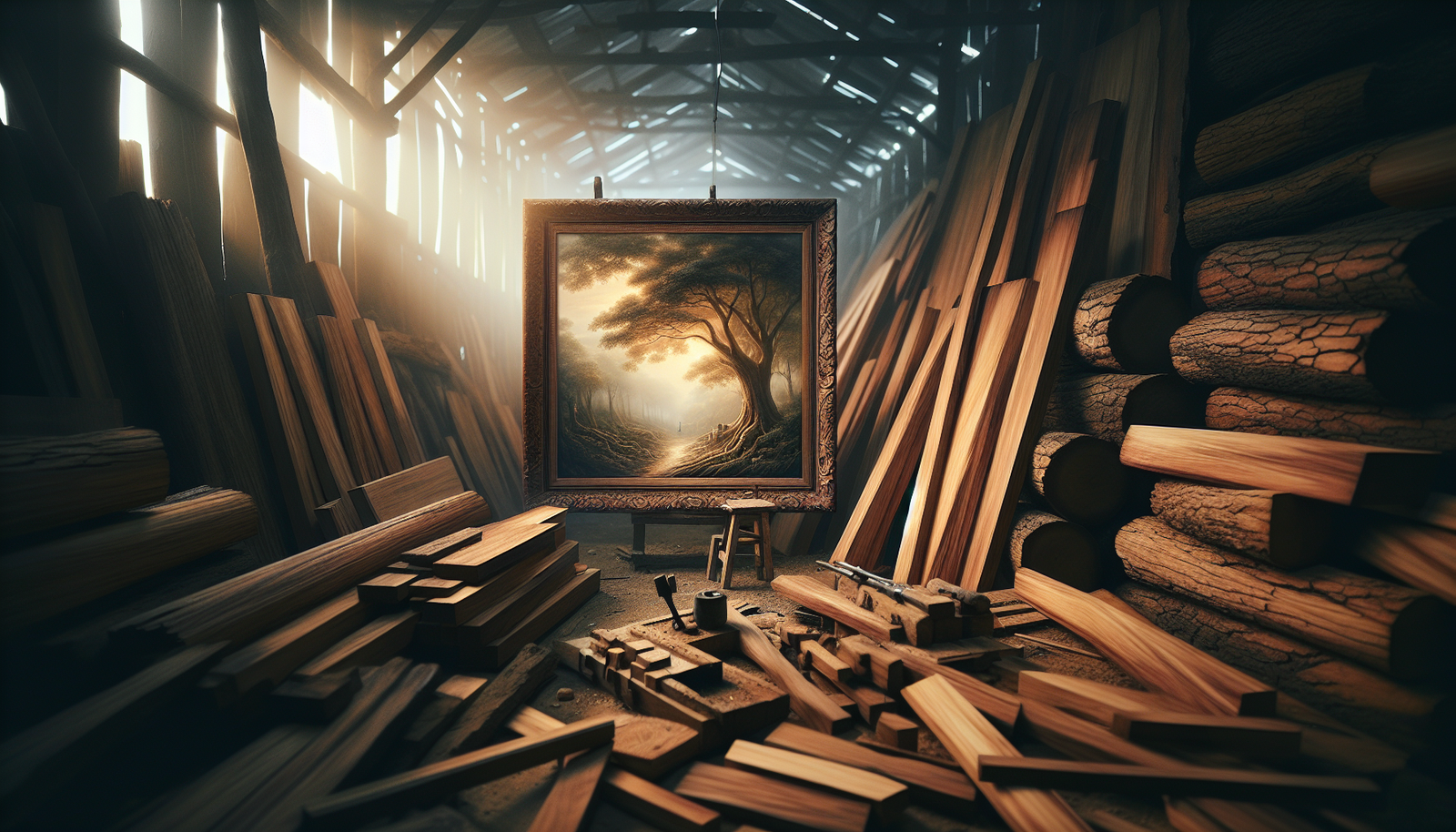
The art of creating wooden picture frames encompasses more than just practicality; it encapsulates history, design, and preservation. Wooden picture frames are timeless elements of décor, intertwining antiquity with modernism while preserving and accentuating captivating visuals.
Wooden Frames: The Amalgamation of Aesthetics and Antiquity
Wooden picture frames are renowned for their aesthetic appeal (see Woodworking: The Art of Pyrography). The combination of wood's natural charm, the skilled craftsman’s creativity, and the right woodworking techniques, contributes to artistry that breathes life into seemingly ordinary slabs of wood. Additionally, they pay homage to centuries-old traditional woodworking practices.
Meanwhile, with emerging focus on environmentally-friendly practices in woodworking, frames made from reclaimed lumber or fast-growing, renewable species have an added appeal. Modern woodworking continues to honor its roots while adhering to the advancements of the future.
Wood Selection: The Foundation of Great Design
Picture frame design begins with the choice of wood. Different tree species carry unique colors, grain patterns, and characteristics that influence the final result. For instance, hardwoods like oak or maple veneer are popular for their durability and attractive grain. Conversely, softwoods like pine are loved for their light color and affordability, but aren't always the best for intricate detailing.
Shaping, Carving, and Finishing: The Creation Process
Once the foundation is laid with suitable wood, you embark upon the fascinating journey of transforming raw timber into finely crafted frames. Routers, potent tools in the woodworker's arsenal, step in to sculpt and shape the frames. Depending upon your design preferences, you might also delve into charming yet complex woodworking techniques such as inlay patterns or chip carving for personalized touches to your frames.
Finishing is an equally crucial step in the frame-making process. This stage involves surface prep, application of stains or varnishes, and troubleshooting any inconsistencies. A correctly finished frame not only enhances the aesthetics but also assures longevity. Stains can give your frame a color lift, while varnishes and sealants protect it from damage and wear. Once the finish is dry, your frame is ready to do its job, beautifully housing and preserving treasured visuals.
Eco-friendly Practices in Frame Crafting
The surge in sustainable woodworking practices witnessed in recent years reflects a shift towards an environmentally-friendly approach. Selecting reclaimed or recycled wood for frame creation or choosing fast-growing, renewable species over slower-growing hardwoods can help reduce the strain on forests.
The Preservation Aspect: More Than Just a Decorative Element
Frames serve as protective barriers for the artwork, safeguarding them from physical and environmental damage. Selecting a frame with backboards and glass layers can provide additional layers of protection, preserving your cherished visuals for years to come.
Creating wooden picture frames is a rewarding experience that combines innovative, aesthetic design with the traditional charm of woodworking. Through thoughtful selection of wood, careful crafting, and an eye for sustainable practices, our woodwork training offers an artistic way to accent our surroundings while cherishing and safeguarding our coveted visuals
Choosing the Right Joint for Frame Corners
The corner joint defines both the strength and the look of a frame. The classic mitered corner, where two 45 degree cuts meet, is clean and seamless but relies on glue and reinforcement because end grain bonds weakly. Strengthen miters with splines, biscuits, or V-nails. For a more rustic or craftsman look, a half-lap or bridle joint shows end grain deliberately and offers far more gluing surface and strength.
Cutting Accurate Miters
A frame is only as good as its corners, and four miters that are each off by half a degree compound into an ugly gap. Use a quality miter saw or a shooting board with a hand plane to refine the cuts, and always cut all four pieces from the same setup so any tiny angle error cancels out. A dedicated frame clamp or band clamp pulls all four corners tight at once for glue-up.
Selecting Wood and Moulding Profiles
Picture frames are a wonderful way to use small amounts of beautiful wood. Figured maple, walnut, cherry, and oak all frame artwork handsomely. You can buy ready-made moulding or, more rewardingly, mill your own profile with a router or table saw, adding a rabbet on the back edge to hold the glass, art, and backing board.
Finishing and Glazing
Finish the frame before inserting glass and artwork. A hand-rubbed oil finish enriches figured wood, while paint or gilding suits decorative styles. Cut the rabbet deep enough to accept glass, a mat, the artwork, a backing board, and the points or turn-buttons that hold everything in place.
Frequently Asked Questions
What is the strongest joint for a picture frame?
A splined or biscuit-reinforced miter combines a clean look with good strength, while a half-lap or bridle joint is even stronger because it offers more long-grain gluing surface.
How do I stop my frame corners from gapping?
Cut all four miters from one saw setup so any angle error cancels, refine the cuts on a shooting board, and clamp all corners simultaneously with a band or frame clamp during glue-up.
Want the complete plans and step-by-step training?
Get instant access to thousands of detailed woodworking projects.
Join The Training