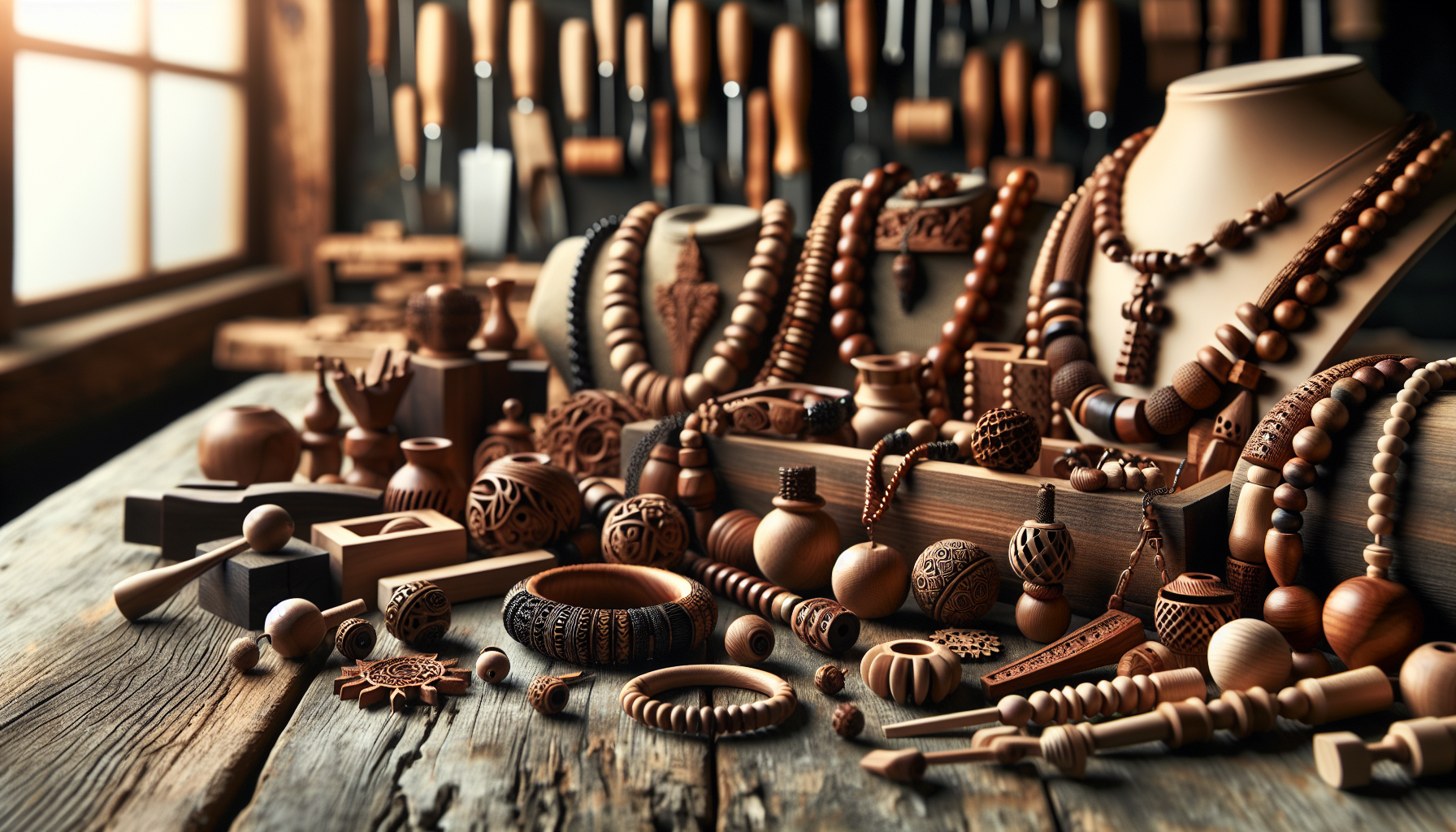
In the sphere of modern fashion, handmade and artisan pieces have seen a surge in popularity, outshining mass-production with their uniqueness and personal touch. Among these handcrafted gems, wooden jewelry distinguishes itself by merging style with sustainability. However, crafting bespoke wooden jewelry is more than just a creative pursuit – it unites the worlds of fashion and woodworking, as it requires a comprehensive understanding of crafting techniques, wood types, and even safety precautions.
Getting Started: Handcrafting Elegance
Upon embarking on a journey of creating bespoke wooden jewelry, one’s first station should be understanding the essence of the craft. Woodworking is an art – a serenade to the aura of raw nature, where natural wood grain acts as the rhythm and hand tools play the melody. It requires a meticulous hand, a keen eye, and a copious amount of patience.
The art of crafting wooden jewelry can be broken down into three primary steps: sketching, carving, and finishing. Each is an intricate process in its own right, and care must be taken to uphold the fundamental principles of woodworking safety to ensure a productive and hazard-free process.
Sketching: Mapping out Beauty
A masterpiece begins with an idea. To bring your vision to fruition, you must first conquer the art of woodworking sketching techniques. Sketching serves as the foundation for your crafted piece – a guide through the creative process, highlighting the envisioned end product and identifying potential challenges in design.
The process of sketching in woodworking also underlines the importance of precision. It ensures the effective utilization of material and maps out the techniques and tools needed for carving, shaping, and decorating. It also allows the maker to envision potential challenges and prepare for them, thereby ensuring timely and efficient project completion.
Carving Practices: Tools and Techniques
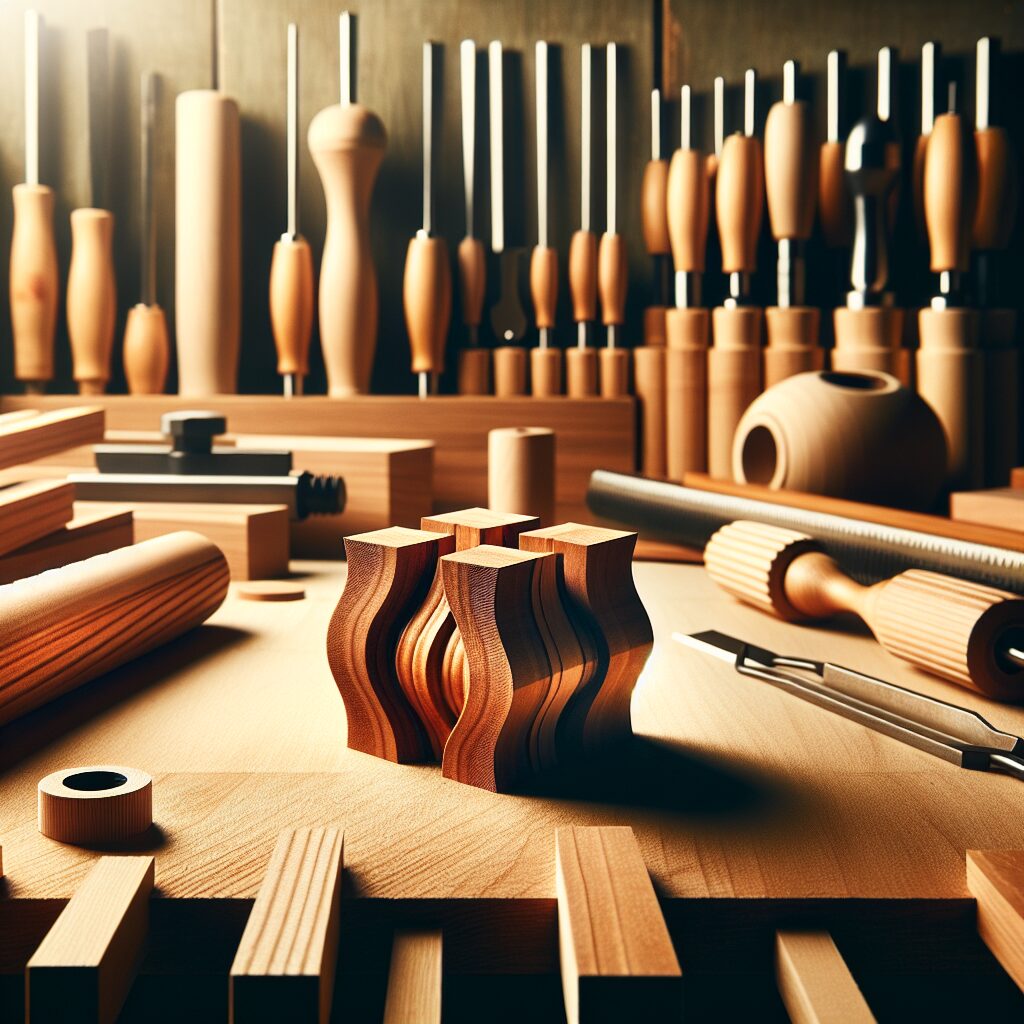
Once the sketching phase is complete, comes the art of carefully sculpting the wood into the desired shape – carving. Early on in woodworking 101, beginners learn about the essential tools needed for their toolkit, including both hand and power tools. In the world of handmade jewelry, hand tools often take precedence due to their ability to carve detailed designs onto the small pieces of wood used in jewelry making.
Validate your stockpile with knives, chisels, files, and awls to pave a smooth path for your carving pursuits. Grasp the art of manipulating these tools to mold the rigid, yet yielding, material into a piece of wearable art.
Choice of Wood: Embrace Versatility
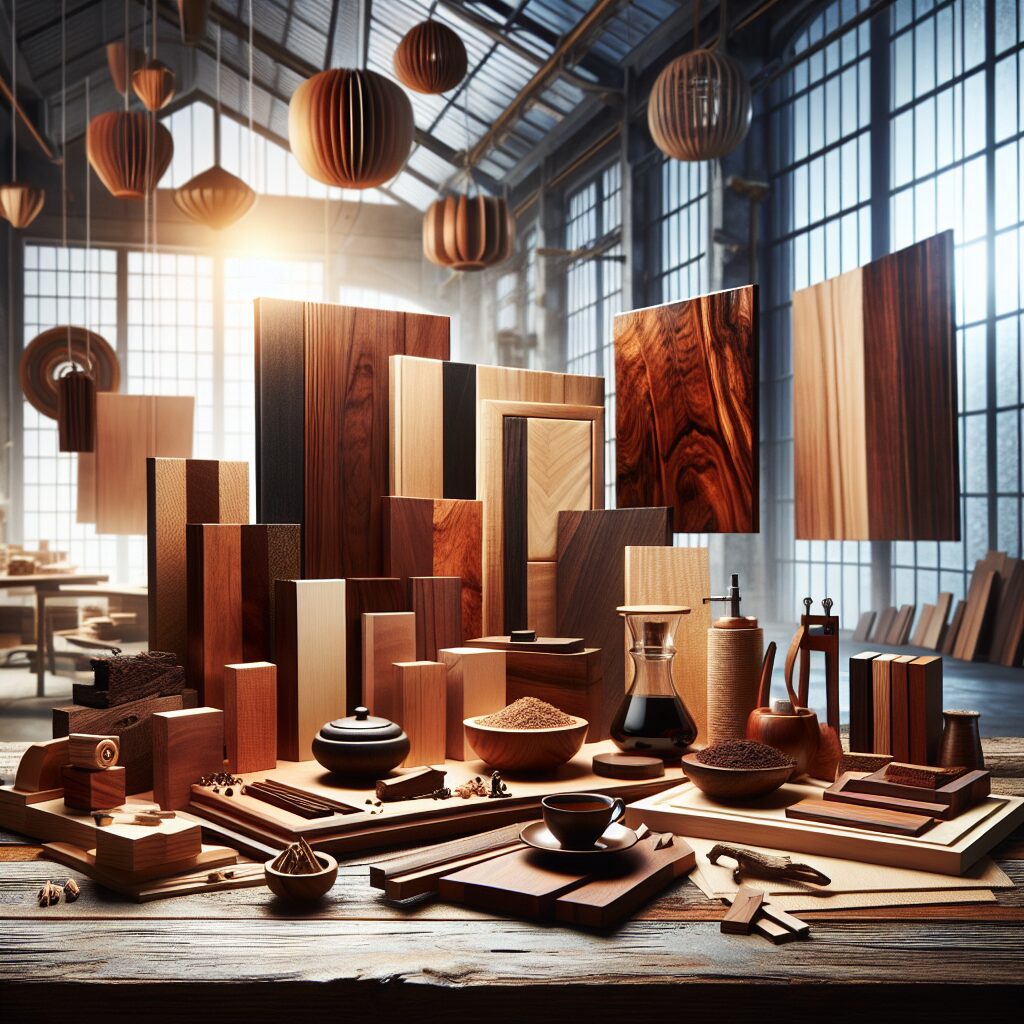
Just as a painter chooses their palette carefully, so must a woodworker when it comes to selecting their wood. For jewelry crafting, it’s important to choose light and durable wood that can withstand wear and tear. You can refer to the guide on types of wood on our blog to make an educated choice.
- Hardwoods like oak and maple are valued for their dense and sturdy nature, perfect for pieces expected to withstand regular use.
- Softwoods, like pine and fir, offer an easy carving experience and are perfect for beginners looking to practice their craft. However, they may not be as durable as hardwoods.
- Tropical woods such as teak and mahogany present a greater challenge to carve but offer robust longevity and striking aesthetics.
The Finishing Touch: Balance and Brilliance
The final stage of woodworking, aptly named the ‘finishing stage,’ lavishes your creation with the last layers of craft and care. It is the perfect moment to pull out your finest grains and treat your wooden jewelry piece. This multifaceted approach includes polishing, staining, and applying varnish or resin to protect the wood and highlight its natural beauty. The finishing fundamentals are a cornerstone of this stage.
One Step at a Time: Embrace the Journey
The creation of handcrafted wooden jewelry offers ample opportunity for creativity and imagination, all while revealing the elegance of nature. As with any new skill, the key lies in understanding the fundamental concepts – selecting appropriate wood, and mastering the art of sketching, carving, and finishing. With a constant nod to safety and a passion for creating, woodworking can offer a rewarding journey towards crafting wearable works of art.
Woodworking is a dance between skillset and mindset. See how mindfulness techniques could be interwoven with woodworking in this post. It is the intersection between sculpture and painting where the seamless merger of technical skills and artistic vision brings forth timeless pieces of art. Happy crafting!