
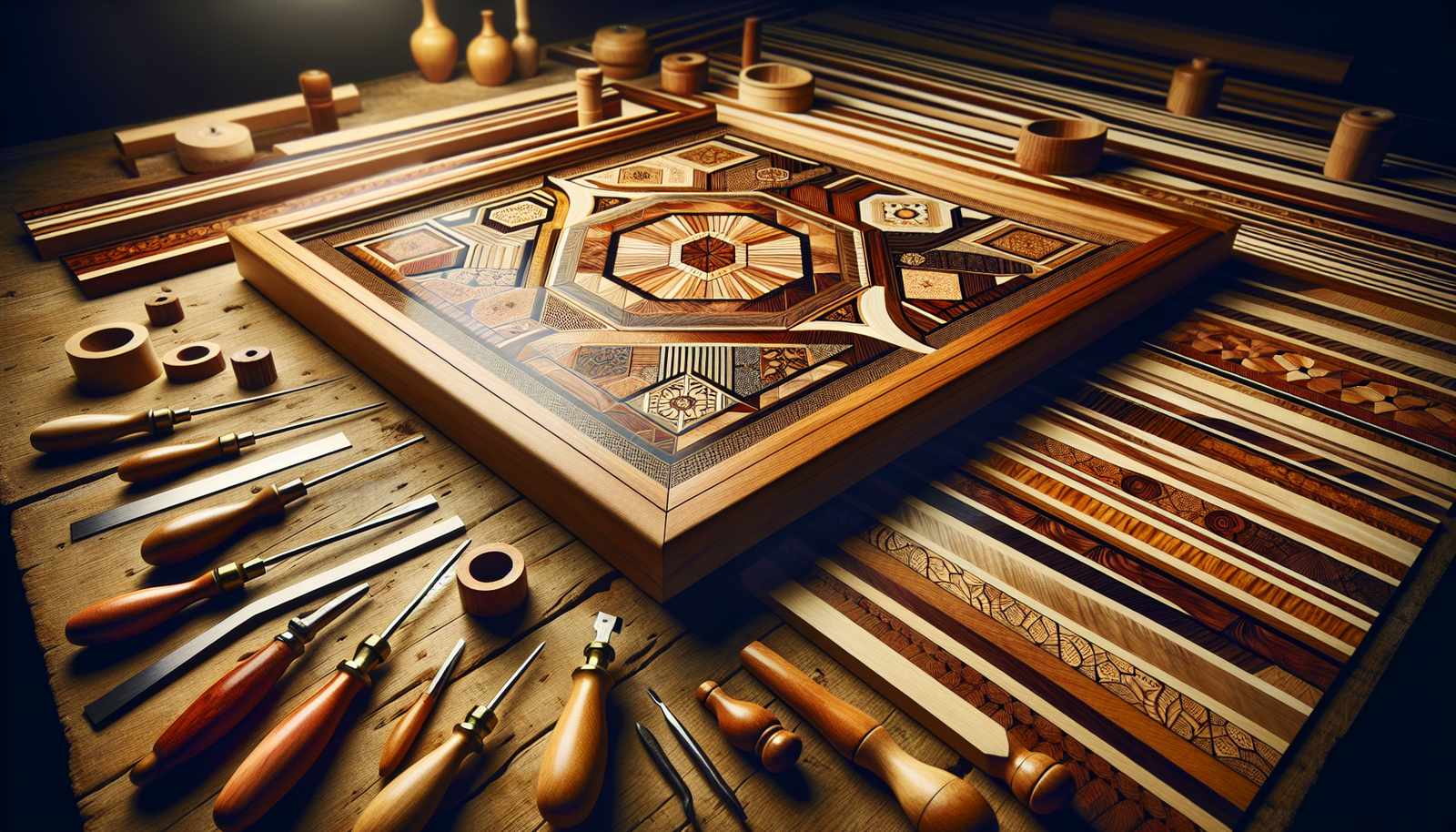
The cacophony of tools and raw materials in a woodworking shop may seem daunting to the average person. However, to the woodworker, these tools are the keys to unlock an artistic world of texture, color, and patterns. One such enchanting realm is that of marquetry, the art of applying pieces of wood veneer to a structure to form decorative patterns and designs.
Marquetry is a centuries-old craft with a rich history, recognized across cultures for its intrinsic beauty and detailed workmanship. Key in creating mesmerizing displays of furniture and adornments, the skilled hands of a marquetry artisan enhances the creative prospects of any woodworking project.
The Fascinating Journey of Marquetry
The craft of marquetry evolved since the rise of the ancient civilizations of Egypt. Egyptian artisans were renowned for their intricate designs which incorporated a combination of many wood colors and grains. Over the centuries, marquetry has been adopted and propagated by various cultures, each adding its unique touch and style to the craft.
In today's world, marquetry offers an exquisite palette for decorative expression in the realm of woodworking. It often complements other woodworking arenas such as woodturning and jointing techniques, adding an element of sophistication and artistic elegance to any project.
A Craft for All: Mastering the Techniques
Whether you're a seasoned craftsman or are just stepping into the world of woodworking for beginners, marquetry has something for you. The core skills of marquetry are easy to pick up. It primarily entails cutting intricate pieces of veneer that are then fastidiously arranged and glued to your woodwork project.
Understanding the nature of the wood you are working with plays a crucial role in this craft. It’s particularly important to be aware of different types of wood, their properties, and how their grain and color can help you paint a picture with veneer. A deep understanding of wood grain can create contrasting effects in your designs and can make the difference between a mediocre piece and a stunning work of art.
Choosing Your Tools: An Essential Step
Every artisan requires a set of specific tools to perform their craft, and marquetry is no exception. In addition to conventional woodworking tools, marquetry involves the usage of specialized cutting devices, a steady workbench, glues, and, of course, a selection of veneers.
It can be tempting to collect an array of tools, but in fact, marquetry doesn't require much. A couple of different types of saws, some sharp blades, a marking knife, and a steady hand are all you really need to get started. And remember, it’s not always about having an extensive tool collection but making good use of minimal resources, a theme also mentioned in our article on hand tools vs power tools.
Navigating the Safety Measures
The importance of safety in woodworking cannot be understated. The tools used in marquetry can be sharp and, if not handled with due care, can present potential risks. It’s essential to follow comprehensive woodworking safety protocols at all times.
Remember, safety is not just about preventing injury. Wood dust can be harmful over a long period, so considerations need to be made for dust control. A proper respirator is necessary for every woodworker to protect against wood dust, as it can cause serious health problems over time.
Exploring Your Creative Wings
Once you have mastered the basics and have familiarized yourself with the tools and safety measures, the world of marquetry is your canvas. Whether you choose to replicate traditional patterns or want to branch out and create unique designs, this art form lets you express your creativity in diverse ways.
Take inspiration from the patterns around you. You could even incorporate different woodworking techniques such as wood turning and inlays to create three-dimensional effects and textured designs. The possibilities with marquetry are limited only by your imagination, making it a truly enriching and rewarding exploration in the world of woodworking.
Want the complete plans and step-by-step training?
Get instant access to thousands of detailed woodworking projects.
Join The Training