Welcome to the world of wood veneering, a creative and practical way of enhancing the surface of lumber crafts. In this article, we’re going to dive deep into the methods that make this artform truly unique, offering your woodworking projects stunning visual impact and increased durability.
Unraveling the Mystique of Wood Veneering
Wood veneering is a centuries-old technique that involves attaching a thin layer of decorative and high-quality timber to the surface of less expensive or sturdy wood. This provides an aesthetic uplift while retaining the structural integrity of the underlying material. Think of veneering as a form of deep woodworking magic. It allows you to play with wood types that might otherwise be tricky to work with, such as burls, figured grain, and exotic trees. It allows for the creation of intricate patterns and designs, making your projects stand out in their unique charm.
Choosing Your Veneer: The Foundation of Elegance
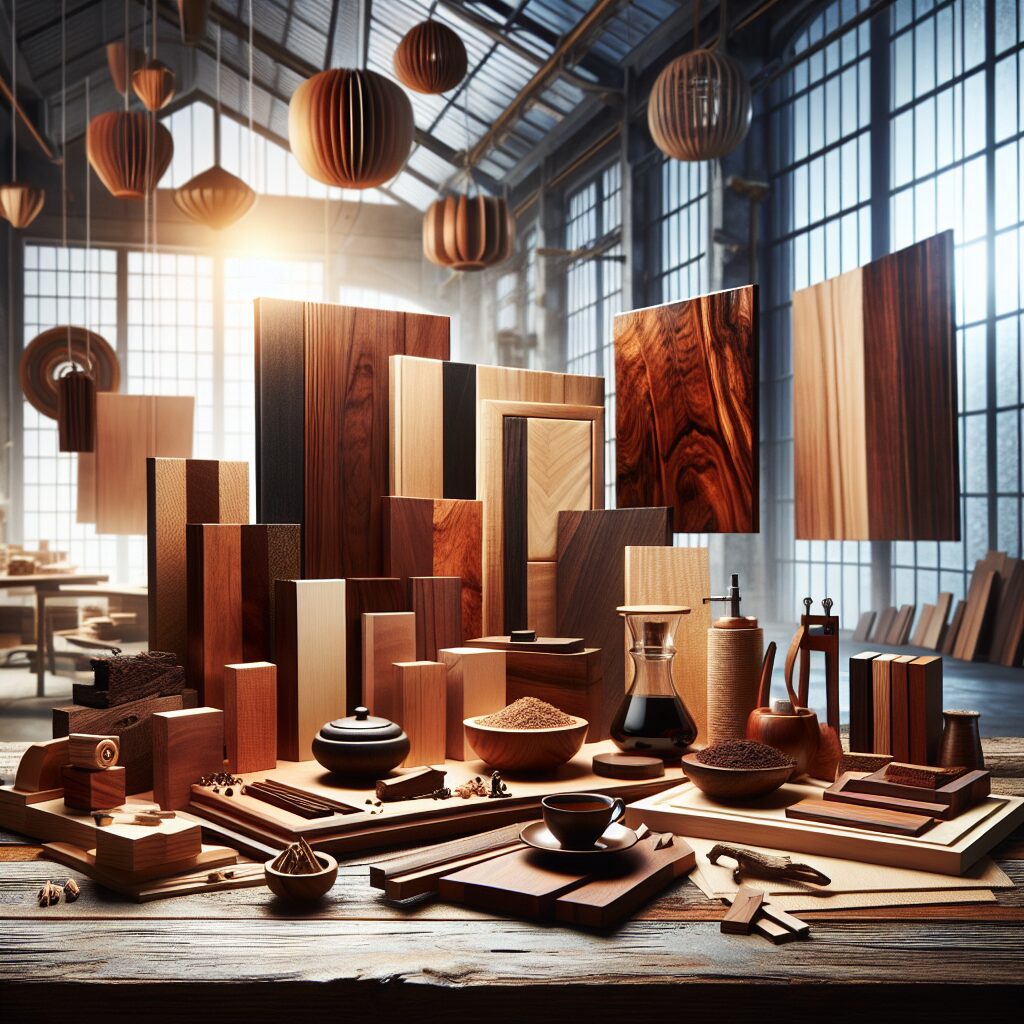
The first step of veneering is to distinguish between different types of wood. The choice of veneer can dramatically change the appearance of your completed piece. Hardwoods like walnut, oak, and mahogany are popular for their rich color and grain, but don’t be afraid to experiment with more exotic types. Knowing the properties of each type of wood can help prevent common mistakes like splitting or buckling during the application phase.
Wood Veneering: The Soulful Process
Once you’ve selected your veneer, the process can begin. The key here is precision. Carefully measure and cut your veneer to the correct dimensions, ensuring a fine fit to the substrate (the base to which the veneer is applied). Apply a thin layer of specialised wood glue to the substrate surface and then attach the veneer. It’s important to select the right adhesive for this process to achieve a secure bond. Once the veneer is in place, compressed evenly to remove air pockets, you’re well on your way to a surface that’s as stunning as it is durable.
Maintaining the Luster: Care and Preservation
Veneered surfaces can last for many years with the proper care and upkeep. Using a finish is recommended to provide extra protection. Finishes range from oil and varnish to lacquer and shellac. The right finish can enhance the grain and add a layer of protection against the elements. Regular dusting and occasional polish can also preserve the shine of the veneer.
Guiding Principles For Wood Veneering Mastery
Here are some tried and true techniques for mastering the art of veneering:
1. Understand Wood Properties: You must understand the properties of both the underlying material and the veneer you’re working with. This knowledge helps make the veneering process smooth and the end result visually appealing.
2. Precise Measurements: Ensure you measure twice and cut once. This aids in reducing waste and helps you achieve a seamless finish.
3. Sealing and Finish: Don’t forget to apply an appropriate sealant or finish to protect the veneer and to enhance its grain and hues. Make use of suitable wood finishing techniques to get that perfection.
Wood veneering is a technique as old as woodworking itself. It brings out the elegance of the wood and increases the value of the piece manifold. By understanding, applying, and mastering this art, you can transform your work into stunning masterpieces.