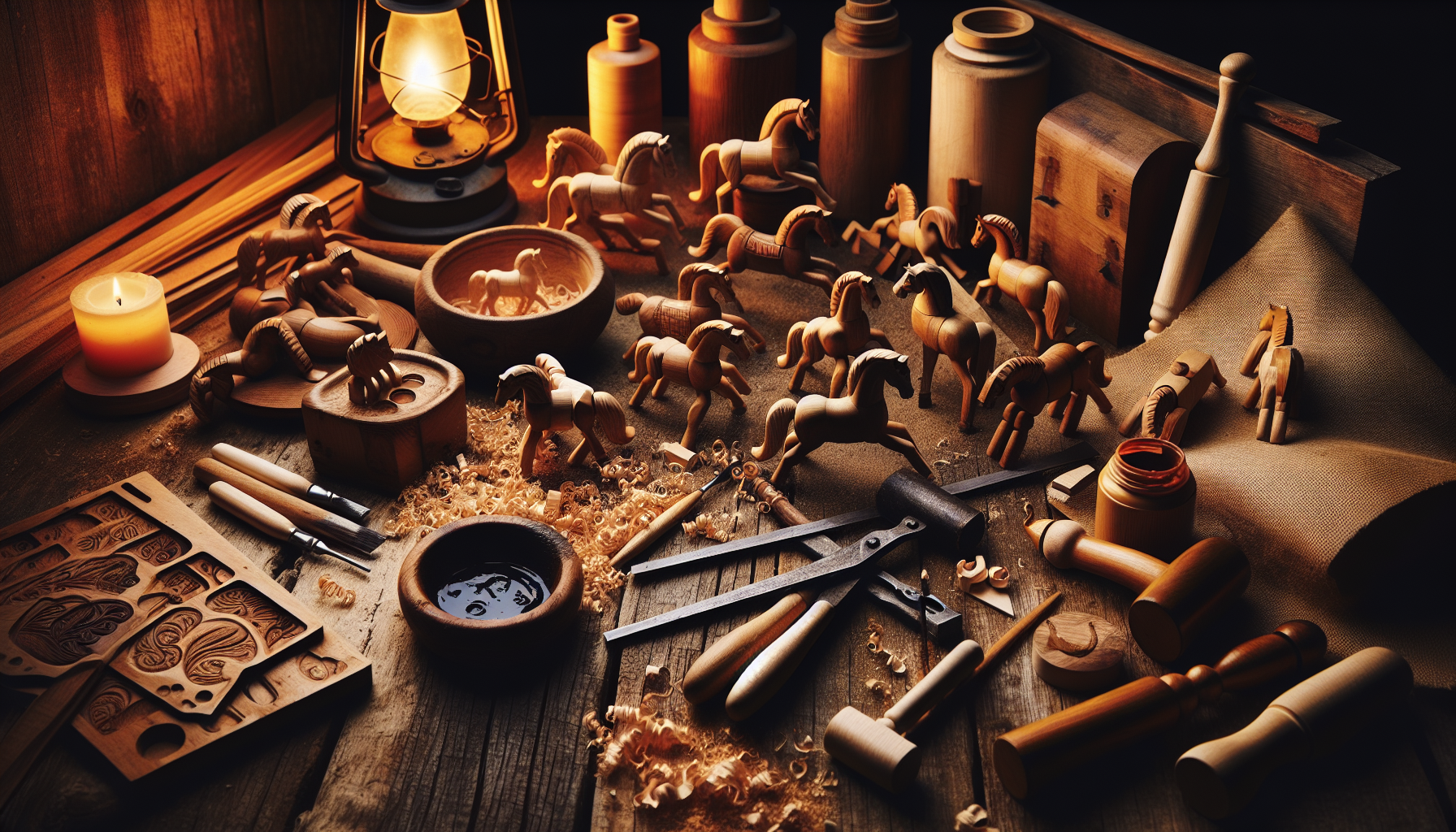
Embracing the Craftsmanship of Wooden Toys
The art of making wooden toys is wonderfully rewarding. These timeless creations blend tradition, craftsmanship, and creativity, offering as much pleasure to the toymaker as to those who enjoy the end product. From meticulous carvings to robust playthings, wooden toys hold a charm all their own.
In this era of plastic and electronic gadgets, wooden toys may seem quaint, but they hold a strong appeal. They are tangible, durable, and tactile, embodying the very essence of child’s play. To parents, they often offer an appealing nod to nostalgia, a reminder of their own childhood.
The process of creating wooden toys combines a variety of woodworking techniques and rarely ceases to teach you something new. Whether you’re a seasoned DIYer or an enthusiastic beginner ready to get started in woodworking, this comprehensive walkthrough will guide you.
Establishing Your Workspace: Setting the Stage for Success
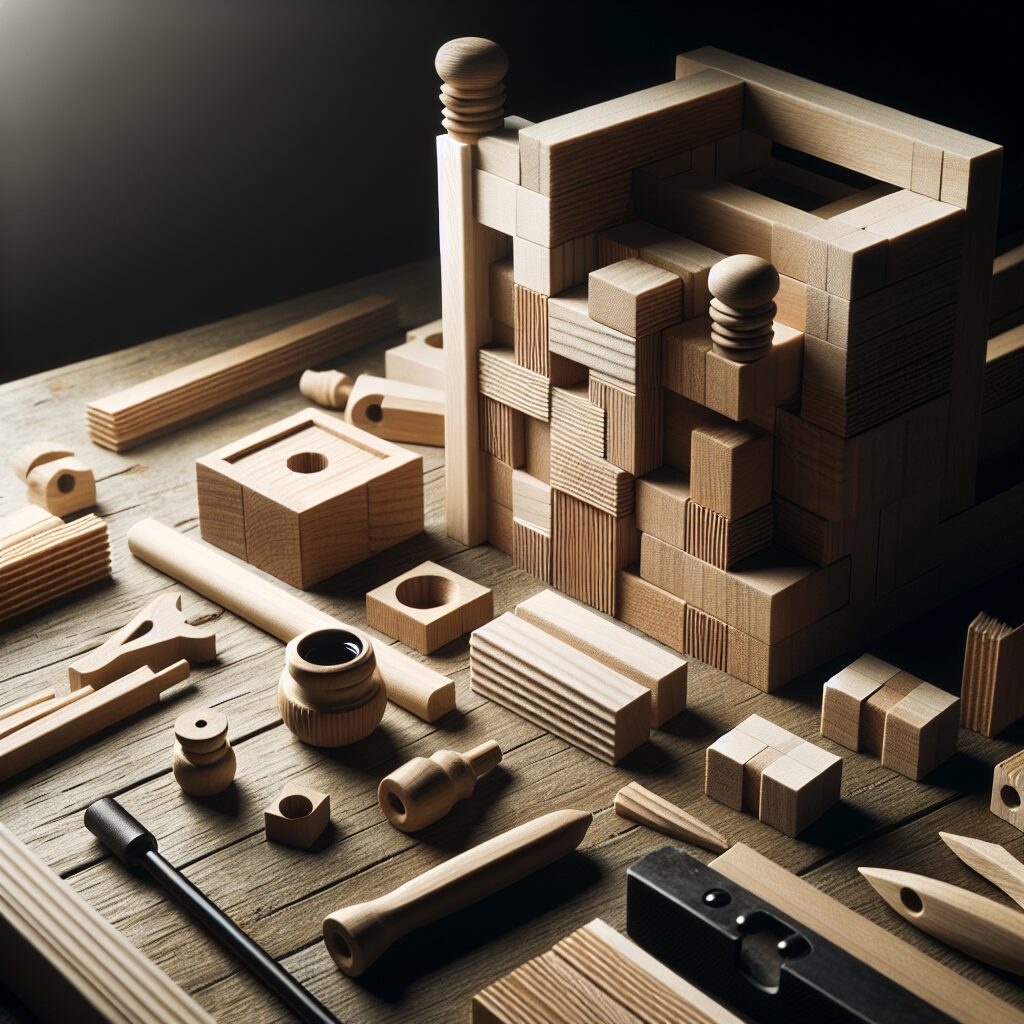
Creating a functioning workspace for wooden toy making is the first step in this journey. Your workspace must be equipped with essential tools and materials, provide space for storing finished toys and works in progress, and ensure safety.
When organizing your workspace, think about efficiency. Having a well-thought-out and organized workshop can make the process seamless and enjoyable.
Safety is another crucial aspect of setting up your workspace. Remember to always use the correct respirator, take care around machinery, and follow other safety procedures to ensure a safe experience.
Choosing Wood: A Foundation of Your Creation
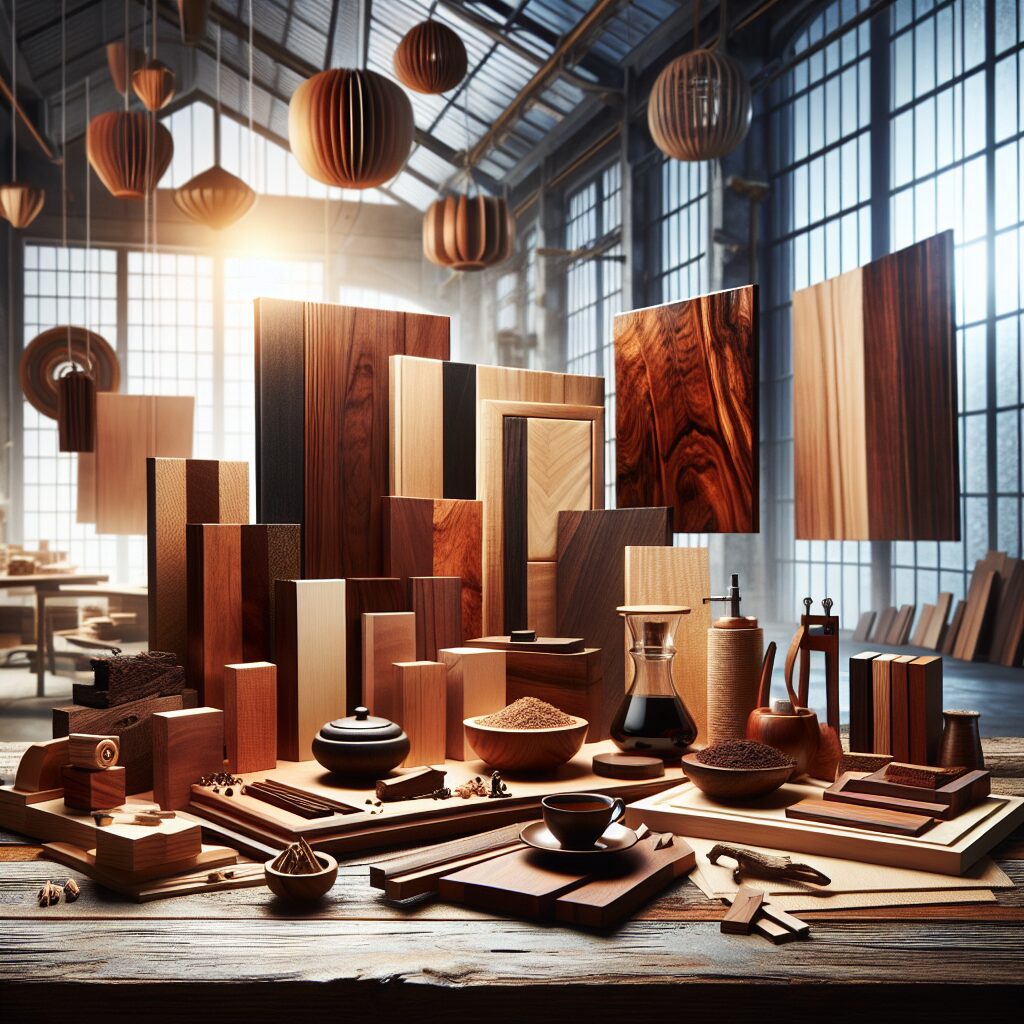
Choosing the right wood for your toy project can play a vital part in the success of the final creation. The different types of wood have varying characteristics that can enhance the aesthetic and durability of your wooden toy.
Hardwoods tend to be dense and sturdy, perfect for toys meant to endure rough play. Softwoods, on the other hand, are easier to work with. Your choice of wood will depend primarily on the nature of the toy you’re creating and your skill level.
Envisioning Your Design: The Blueprint of Your Toy
Once your workspace is ready and your materials are in hand, it’s time to consider the design of the wooden toy. This phase involves visualizing the final product and creating a plan or sketch to follow during the build.
In this digital era, woodworking design software can prove extremely helpful. These tools offer features for 3D visualization and planning, helping you achieve accuracy in your design.
Mastering the Techniques: Bringing Your Vision to Life
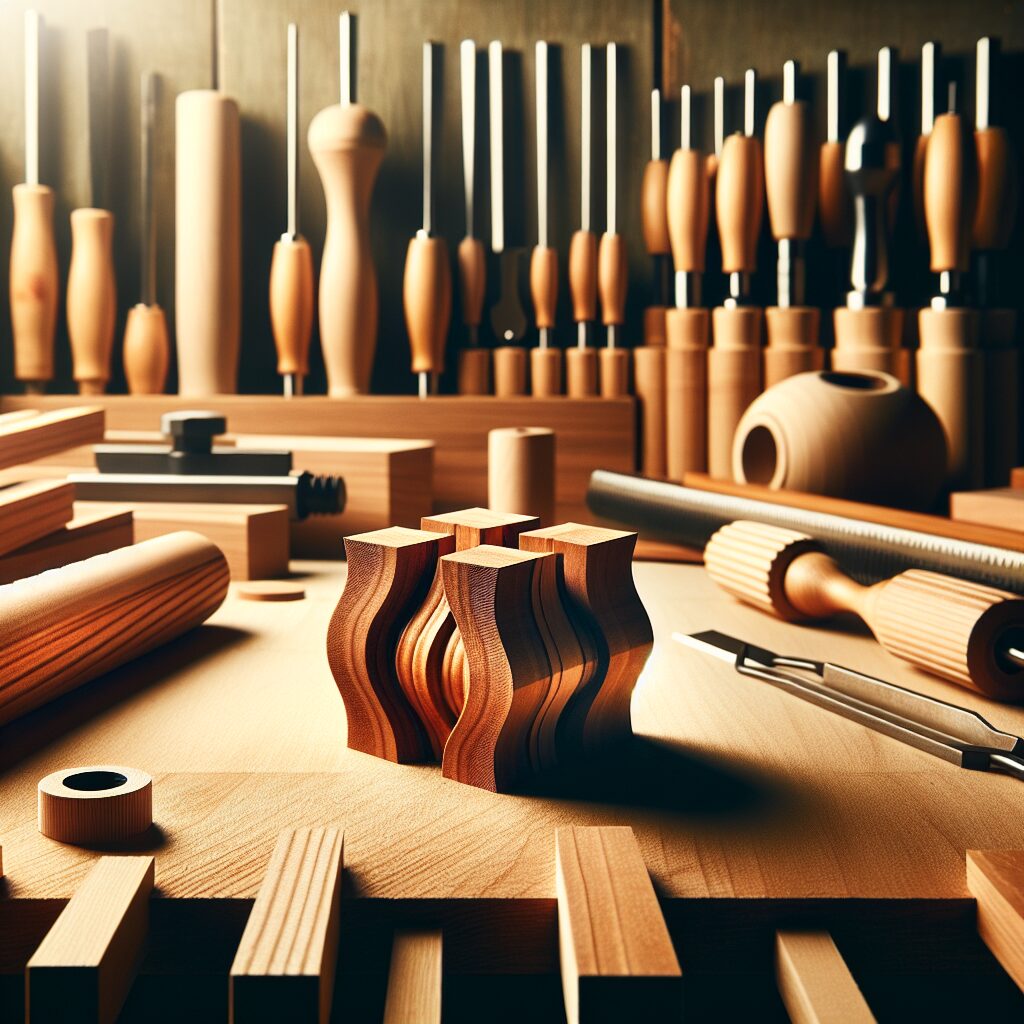
The craftsmanship involved in wooden toy making requires patience and skill. Mastering traditional hand tool techniques, understanding how to cut, shape, and assemble your toy, and knowing how to add finishing touches are all critical steps in the process.
And with each project you complete, you’ll find yourself learning, growing, and becoming more adept with your tools and methods. The joy of turning a block of wood into a charming toy is an incomparable reward, known only to those who embrace the craft.
Preservation Tips: Making Your Wooden Toy Last
Lastly, a well-crafted wooden toy can last for generations if properly cared for. Applying a coat of finish can provide a strong protection against potential damage. It’s also necessary to store your wooden toys in a clean, dry space when they are not in use. As a toy maker, imparting these preservation tips to your customers or family can ensure that your creations are cherished for years to come.
Creating wooden toys is more than just a hobby or profession—it’s a celebration of skill, creativity, and timeless nostalgia. This guide is just your starting point; ahead of you lies a journey filled with discovery, learning, and a profound sense of achievement. Enjoy the ride!