
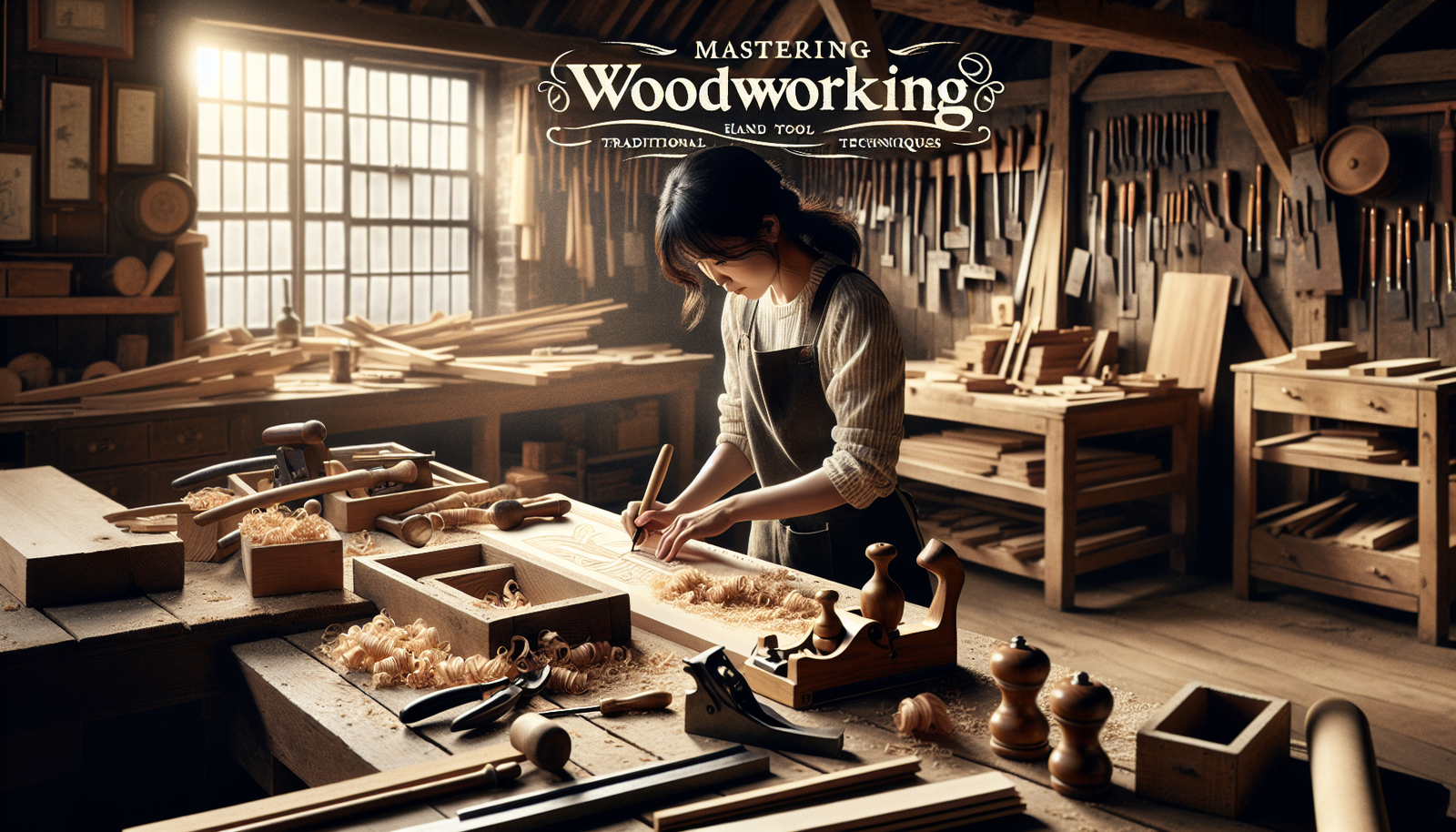
In the world of instant gratification, mastering traditional skills like woodworking might seem like a bygone era. However, these skills have stood the test of time because of their practicality and the sheer beauty of craftsmanship they yield. Learn this art the old-fashioned way, using hand tools, to garner appreciation for the craft and develop a profound sense of achievement.
The Elegance of Hand Tools
Unlike power tools, hand tools provide an intimate connection between the craftsman and his craft. The usage of hand tools instills a sense of control and precision in your work. Whether you're carving intricate patterns with a chisel or shaping timber with a hand plane, you have the power to manipulate the wood exactly the way you want.
Hand tool woodworking is a quiet and mindful practice, perfect for those seeking a tranquil hobby. The rhythm of a handsaw, the whittling of a spoke shave, or the gentle tapping of a chisel and mallet, can provide a soothing background beat in your workshop, making it an excellent form of relaxation. The actor and author behind Offerman Woodshop has made that same case for slow, hands-on work for years; see the early life and career of Nick Offerman.
Lastly, using hand tools enables you to understand wood. As you tailor your efforts to accommodate the unique qualities of different wood supplies, you develop a profound appreciation for the natural material. Learn more about different types of wood from our post on common hardwoods and softwoods.
The Essential Woodworking Hand Tools
In your journey to master woodworking, there are a few essential tools you need to get you started. A tried and true list is as follows:
- Hand saw
- Chisels
- Mallet
- Hand Plane
- Marking gauge
- Measuring tools such as rule, square, and compass
These are just a taste of the variety of tools you'll need in your woodworking journey. However, they form the backbone of any artisan's toolkit. For those on a budget, our post on money-saving tips for tools can offer beneficial insights.
The Artistry of Joinery
One of the most essential skills in hand tool woodworking is joinery. Crafting intricate joints using hand tools can be a rewarding process, yielding sturdy and visually stunning results. Common woodworking joints include dovetail, mortise-and-tenon, and lap joints. Our comprehensive guide on woodworking joint techniques can shed more light on this topic.
Joinery is an art form in itself. With just a handsaw and a set of chisels, you can create joints that are not just strong and durable, but also aesthetically pleasing. The mastery of creating perfect joints by hand will set you apart as a skilled and true craftsman.
Safe Practices for Using Hand Tools
Safety should be your priority when using any type of tool, hand or power. Even though hand tools are generally safer than power tools, accidents can still happen if you don't follow safe practices. Secure your workpiece properly, keep your tools sharp, and always work in a well-lit area. Follow our comprehensive guide to shop safety for more safety tips to keep in mind.
Mastering the Craft: Practice makes Perfect
No matter how many guides you read or videos you watch, nothing substitutes for hands-on experience in woodworking. Start with simple projects, like a shelf or a small stool, and move on to larger, more complex projects as your skills improve.
Practice your cut, joinery, and finishing techniques on scrap wood. Remember to go slow and be patient with yourself as you learn this new skill. To inspire you with more project ideas, check out our blog post on woodworking project ideas.
The Core Hand Tool Kit
Traditional woodworking rests on a handful of well-tuned hand tools: a smoothing plane and a jack plane, a set of bench chisels, a marking knife and gauge, a backsaw and a panel saw, and a sharpening setup. Mastering these gives you quiet, precise control that machines cannot match, and a deeper understanding of how wood behaves.
Sharpening Is the Foundation
No hand tool technique works without sharp edges. A keen plane iron or chisel slices cleanly, while a dull one tears and skips. Learn one sharpening system, whether waterstones, diamond plates, or sandpaper on glass, and practice until producing a mirror edge becomes routine. Sharp tools are safer too, because they cut predictably with less force.
Planing and Chiseling Fundamentals
With a tuned plane, take thin, full-width shavings and work with the grain for a glassy surface no sander can equal. With chisels, let the bevel guide the cut, register the back against the work, and pare in controlled increments. These two skills underpin most joinery and surface work in traditional woodworking.
Hand-Cut Joinery
The payoff of hand-tool skill is fine joinery: dovetails, mortise-and-tenon, and rabbets cut to a knife line. Sawing precisely to a line and paring to fit are skills built through repetition, and they reward patience with joints that are both strong and beautiful.
Frequently Asked Questions
What hand tools should a beginner buy first?
Start with a smoothing plane, a few bench chisels, a marking knife and gauge, a backsaw, and a sharpening setup. These cover surface prep, layout, and basic joinery.
Why are my hand tools tearing the wood?
Almost always dullness or working against the grain. Sharpen the edge to a keen finish and plane or pare in the with-grain direction, taking lighter cuts on difficult grain.
Want the complete plans and step-by-step training?
Get instant access to thousands of detailed woodworking projects.
Join The Training