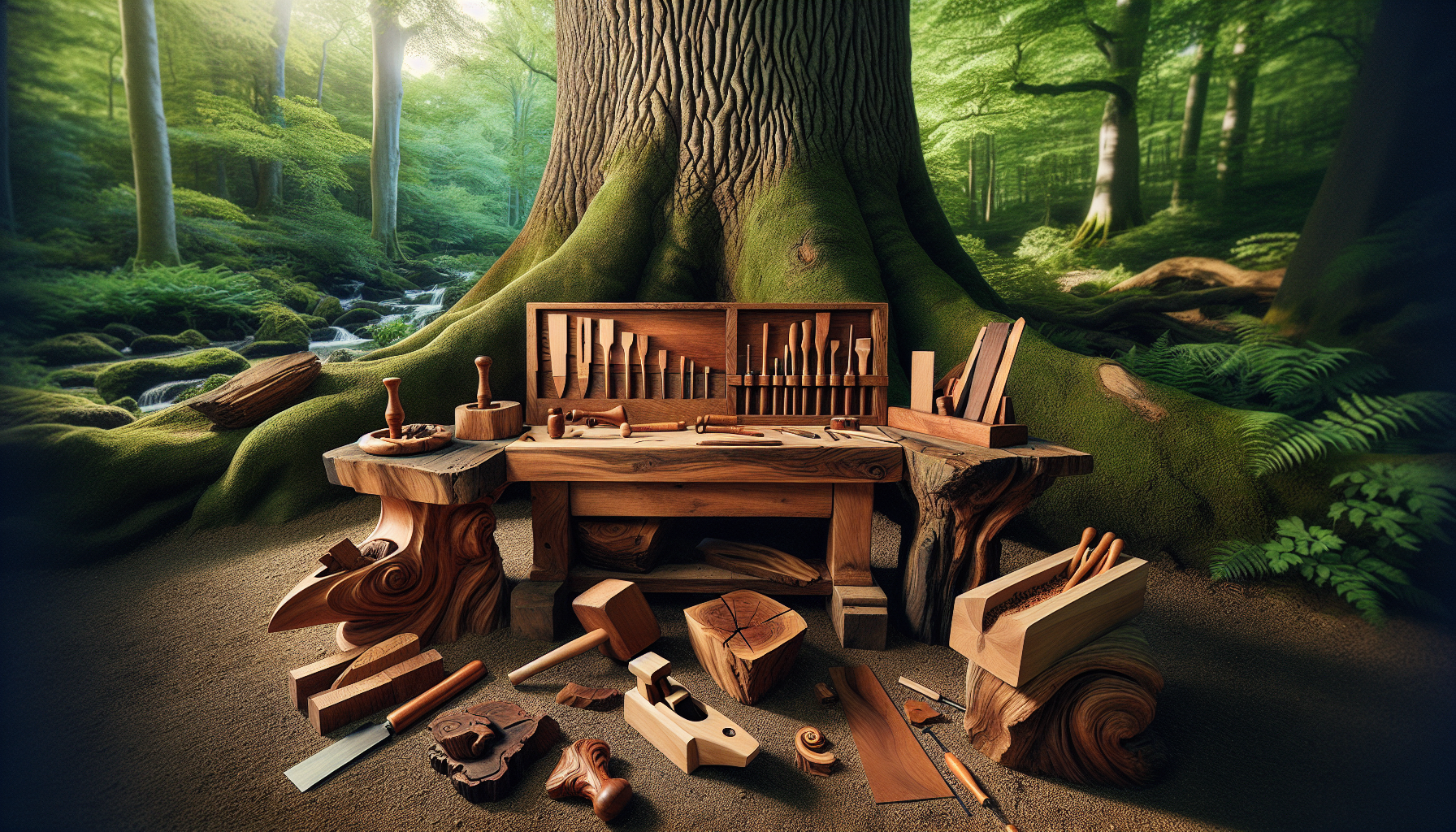
Discovering the world of woodworking opens a universe of opportunities, techniques, and satisfaction. One fascinating domain within woodworking is green woodworking, a natural and environmentally conscious approach to the craft. This unique, rustic art form focuses on shaping ‘green’ or unseasoned timber into aesthetic and practical objects.
Embracing green woodworking promotes the use of renewable resources and eco-friendly techniques. It provides you an opportunity to work closely with nature, understand the grain of wood better, and create beautiful artisanal pieces that capture their natural, organic charm.
Join us as we journey into the captivating practice of green woodworking and delve into its practices, benefits, and techniques. If you’re ready, grab your traditional hand tools and let’s create some magic!
Unwrapping the Green Woodworking Method
Green woodworking is the practice of carving and creating objects out of freshly cut, unseasoned timber. The moisture content in newly felled timber aids in the carving and shaping process, making it more pliable and easier to work with. Some of the classic green woodworking projects created using this technique include bowls, spoons, furniture, and treehouses.
One of the significant advantages of using green wood is its flexibility, making it easier to shape and carve than dried timber. Furthermore, as it dries, the wood shrinks, giving your pieces a tight, secure fit without the need for nails or screws. This characteristic also increases the strength and durability of the resulting pieces.
Green woodworking also encourages the use of traditional hand tools such as axes, drawknives, and chisels. Hand tools not only offer a great deal of control but also make the process more tactile, personal, and enriching.
Mastering The Art Of Axe And Knife Work
In green woodworking, an axe and a knife are two fundamental tools that can be confronting for beginners but extremely rewarding once mastered. Starting with a simple project like carving a spoon is a great way to familiarize yourself with these tools. Wood carving is an essential skill of green woodworking since it resonates with the eco-friendly philosophy of the craft.
Remember, the focus is not on speed but enjoying the process of shaping the wood piece by piece, whether you’re hollowing out a bowl or crafting a chair leg. Your hand movements should be fluid, and take your time to understand the timber, its grain, and how it responds to different pressures and angles. This intuitive knowledge will enhance your creativity and craftsmanship in the long run.
You must also ensure that you follow woodworking safety guidelines when working with axes and knives, especially when taking off large chunks or making precise finishing cuts. Always use proper protective gear, work away from your body, and keep your tools sharp to reduce the chance of accidents.
From Tree To Craft: The Green Woodworking Process Flow
The process of green woodworking typically follows the following steps:
- Felling or sourcing the right tree or timber for your project.
- Splitting the log into usable pieces using splitting wedges or a froe.
- Shaping the rough forms using an axe.
- Further refining the shape using a drawknife or spoke shave.
- Carving details and finishing the piece using knives and other hand tools.
It is important to select a tree species that suits your target project. For example, cherry and walnut are commonly chosen for indoor furniture, while cedar and Locust are ideal for outdoor work like building a floating shelf or creating a coffee table.
The Magic Of Self-made Woodworking Tools
Good quality woodworking tools can be expensive. However, as you become more advanced in green woodworking, you might find the desire to make your own tools. This self-sufficiency not only reduces expenses but also allows you to create personalized tools that suit your working style and project requirements perfectly.
You can even refurbish antique tools, bringing a piece of woodworking history into your workshop. An antique woodworking tools guide can help you understand how to choose, restore, and effectively use these well-aged tools. Making or restoring your tools is a rewarding project and one that enriches your connection to the craft.
Journey Towards Sustainable Crafting
Green woodworking epitomizes sustainability since it can be done with minimal resources, low energy usage, and without reliance on power tools. This method also maximizes timber usage with minimal waste generation, making it an ecological hobby or profession.
If you happen to be a woodworking enthusiast keen on minimizing the ecological footprint of your craft, green woodworking and other budget-friendly woodworking techniques might just be what you need.
Whether you’re exploring green woodworking as a hobby, a profession, or simply for the joy of creating something beautiful and practical from raw materials, it’s a craft that brings you closer to nature. Start your journey into green woodworking today, and become part of a rich tradition that celebrates the natural beauty and versatility of wood.