
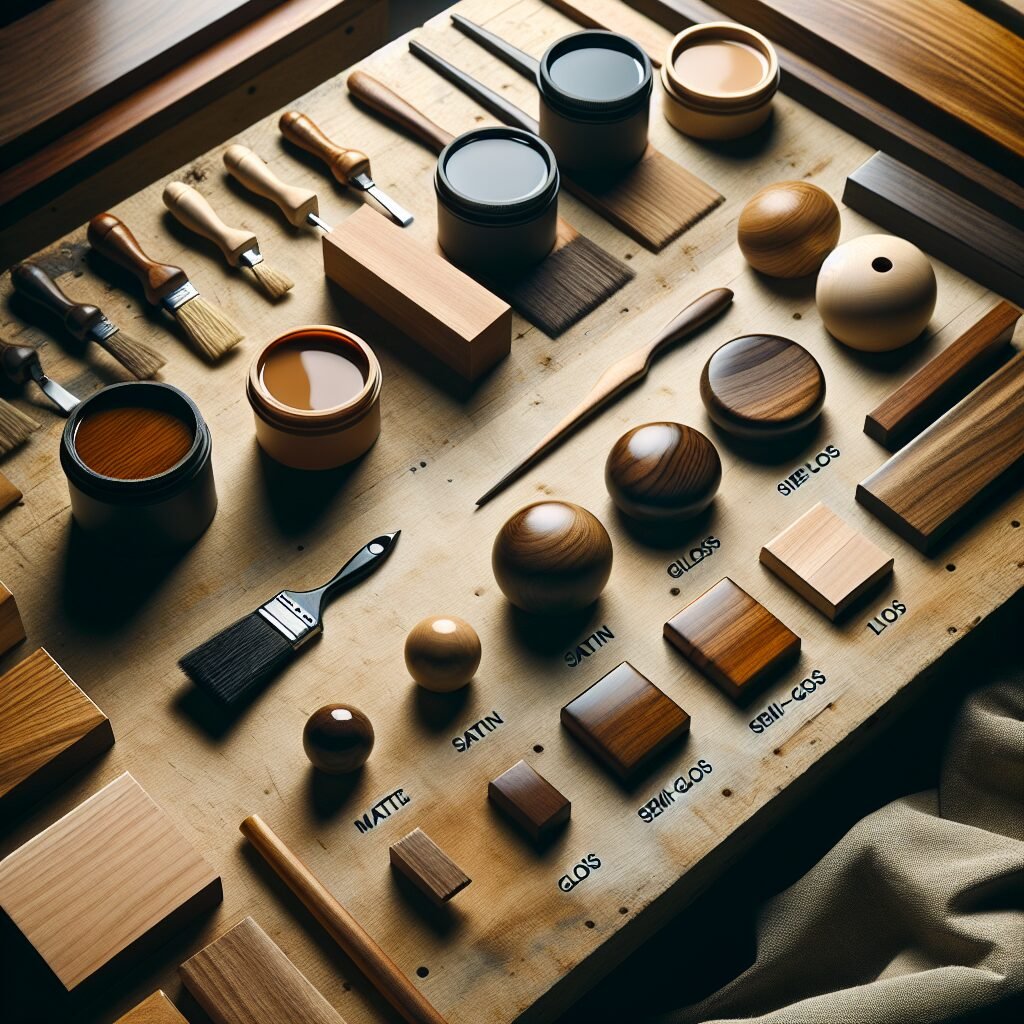
When embarking on woodworking projects, one of the most crucial decisions you’ll face is selecting the right finish. The finish not only enhances the beauty of the wood but also protects it from environmental factors. Understanding the various types of finishes available can significantly impact the durability and appearance of your finished piece.
Understanding Different Types of Finishes
There are numerous finishes to choose from, each with its unique properties and applications. Some popular finishes include oil-based, water-based, and shellac. Oil-based finishes penetrate deeply into the wood fibers, providing a rich, warm glow while highlighting the wood grain. They are easy to apply and easy to repair, which is why so many woodworkers stay with them, though they take longer to dry than the alternatives and that can stretch out a project timeline.
Water-based finishes dry quickly, carry little odor, and clean up with water, which makes them a forgiving place to start. They form a protective layer on the surface rather than soaking in, so they hold up well in high-traffic areas even though they do not penetrate as deeply as an oil. For a more traditional approach, shellac offers a beautiful sheen but requires careful application to avoid streaks.
It helps to sort the whole category into two groups. Penetrating finishes such as oils soak into the fibers and leave the surface looking natural. Film finishes such as varnish and polyurethane sit on top as a protective skin and are the more durable of the two against scratches and household chemicals, though a heavy film can mask the grain you spent so long sanding. Knowing which group you are in tells you most of what you need to know about how a finish will behave, much as knowing your woodworking joinery methods tells you how a carcass will hold together.
Choosing the Right Finish for Your Project
The choice of finish often depends on the specific requirements of your project. For a piece that gets used every day (a dining table, a countertop, kitchen cabinets), reach for something durable. A polyurethane finish is a great choice in this case, because it creates a hard surface that resists scratches, stains, and the moisture those surfaces live with. For decorative pieces that won’t see much wear, a simple wood finishing technique like a clear varnish or lacquer could suffice, and detailed work such as chip carving is usually better served by a light finish that does not fill in the cuts.
Factors to Consider When Selecting a Finish
Several factors can influence your choice of finish. Start with the wood itself, because different species absorb finishes differently. Softer woods like pine usually want a finish that offers a bit more protection, while a hardwood like oak can carry a lighter one and still show its figure. Cherry and walnut hold natural oils that change how a finish adheres, so testing on a scrap of the same board is the cheapest insurance available to you.
Next, think about where the finished piece will live. If it will be exposed to moisture, a waterproof finish is essential, and swings in humidity and temperature will shorten the life of any film that is not up to the job. Your own eye matters too: some woodworkers prefer a natural look, while others may want a glossy finish that enhances the color and grain of the wood.
Finally, be honest about the application process. Some finishes need several coats with long drying times in between; others go on quickly and forgive a lot. If you are new to finishing or short on time, choose the straightforward one. Wood veneering techniques are a good illustration of how much the surface underneath can change the way a finish behaves.
Application Techniques for Finishes
Applying the finish correctly is as important as choosing the right one. Techniques can vary from brushing to spraying, and the method you choose can affect the final appearance. For a smooth finish, consider using a high-quality brush or a spray gun for an even coat. Don’t forget to follow the manufacturer’s instructions regarding drying times and application processes. If you’re unsure, you might find a helpful wood glues guide beneficial in understanding adhesion and compatibility with different finishes.
| Finish Type | Durability | Drying Time | Best Use |
|---|---|---|---|
| Oil-based | High | Slow | Furniture |
| Water-based | Medium | Fast | Indoor projects |
| Shellac | Medium | Fast | Decorative items |
Finalizing Your Choice
After weighing your options and considering the specific needs of your project, it's time to make a decision. Remember that the finish you choose will not only affect the look of your piece but also its durability and maintenance needs. Don't hesitate to test a small sample of your chosen finish on a scrap piece of wood to see how it looks and feels before applying it to your final project.
Ultimately, the right finish should enhance your woodworking project while providing the protection it needs to stand the test of time. With careful consideration and a bit of experimentation, you can achieve a beautiful, lasting finish that showcases your craftsmanship.
Want the complete plans and step-by-step training?
Get instant access to thousands of detailed woodworking projects.
Join The Training